




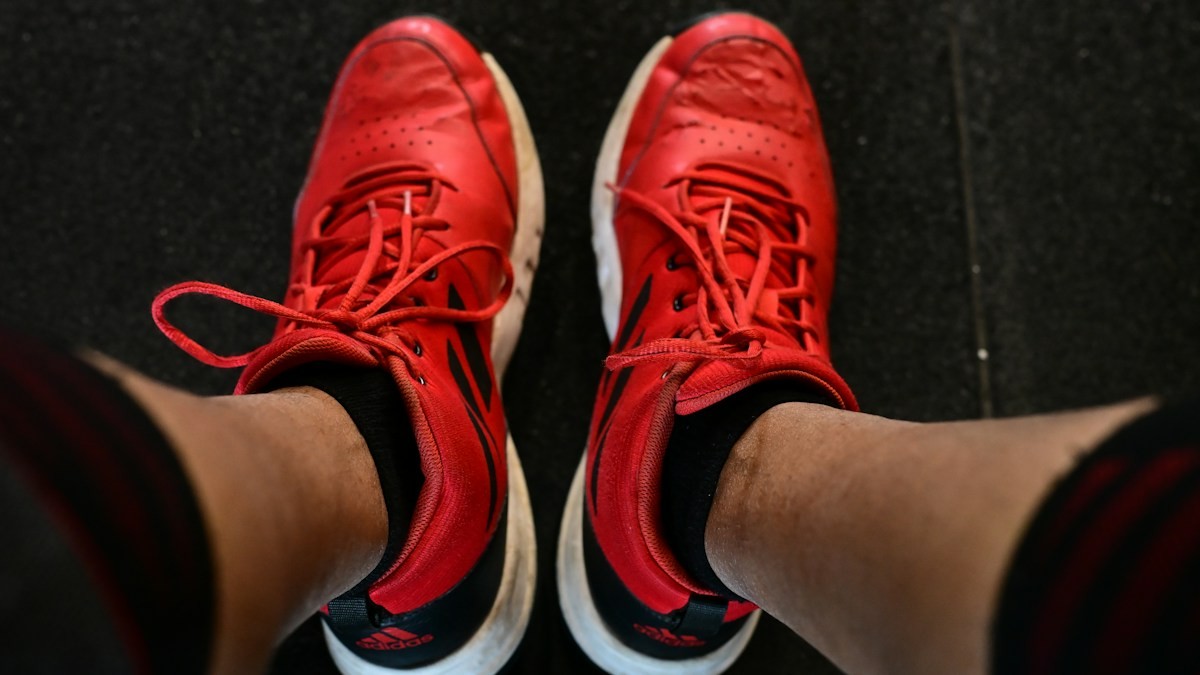
In 2017, the landscape of competitive distance running was irrevocably disrupted with the introduction of carbon-plated super shoes. What began as an experimental prototype project to break the two-hour marathon barrier has evolved into an undisputed technological revolution: today, virtually every world record from the 5K to the marathon has been shattered by athletes competing in thick-soled, carbon-embedded footwear.
Independent laboratory trials at the University of Colorado Boulder confirmed that carbon plated super shoes provide an astonishing 4% improvement in running economy. Over a 26.2-mile marathon, this energetic advantage translates to approximately three to five minutes of free speed for a competitive amateur runner, largely by delaying neuromuscular fatigue during the grueling final ten kilometers.
However, running in high-stack, highly resilient carbon shoes fundamentally alters lower-limb kinematics, redistributing mechanical strain away from the calf muscles and directing new rotational forces into the ankles and Achilles tendons. This comprehensive guide examines the engineering physics, energy return mechanics, and biomechanical injury considerations of super shoes versus traditional racing flats.
The Dual-Engine Technology: Supercritical PEBA Foam and Carbon Plates
Why neither component alone delivers the performance breakthrough—it is their symbiotic interaction.
The Energy Return of Supercritical Polyether Block Amide (PEBA)
Traditional running shoes relied on Ethylene Vinyl Acetate (EVA) or Thermoplastic Polyurethane (TPU) foams, which return between 60% and 70% of the mechanical energy compressed into them during foot strike. The breakthrough of modern super shoes lies in supercritical PEBA (Pebax) foam.
PEBA foam returns an astounding 85% to 88% of mechanical energy upon decompression. Furthermore, its ultra-low density allows footwear manufacturers to construct towering 40mm stack heights without incurring weight penalties, cushioning the body against millions of foot-pounds of cumulative impact shock.
The Mechanical Lever Function of the Curved Carbon Plate
A common misunderstanding is that the carbon plate acts like a coiled spring that catapults the runner forward. In reality, carbon plates act as rigid structural levers. By stiffening the longitudinal bending axis of the shoe, the plate prevents the metatarsophalangeal (MTP) toe joints from flexing excessively.
This reduction in toe flexion reduces energetic waste at the foot joints, shifting the mechanical pivot forward and allowing the ankle plantar flexors to work at more favorable force-velocity ratios throughout the stance phase.
Biomechanical Shift: How Super Shoes Alter Lower-Limb Loading
Analyzing joint load distribution changes between traditional low-stack flats and modern super shoes.
Unloading the Gastrocnemius and Soleus Complex
In traditional low-profile racing flats, the calf muscles and Achilles tendon must perform massive eccentric and concentric contractions to propel the body forward. In carbon plated super shoes, the curved plate and high-rebound foam assume a substantial portion of this workload.
Electromyography (EMG) studies demonstrate significant reductions in calf muscle activation during marathon-pace running. This muscular preservation is why runners wearing super shoes report feeling significantly less ‘trashed’ over the final six miles of a marathon.
Elevated Achilles Tendon and Ankle Eversion Demands
However, energy cannot be destroyed—only relocated. The towering 40mm stack height of super shoes raises the runner’s center of mass, introducing instability that increases peak ankle eversion angles during ground contact.
Furthermore, the rigid carbon plate alters the insertion angle and load profile of the Achilles tendon. Runners with pre-existing Achilles tendinopathy or weak ankle stabilizers frequently experience acute flare-ups when abruptly transitioning to carbon footwear.
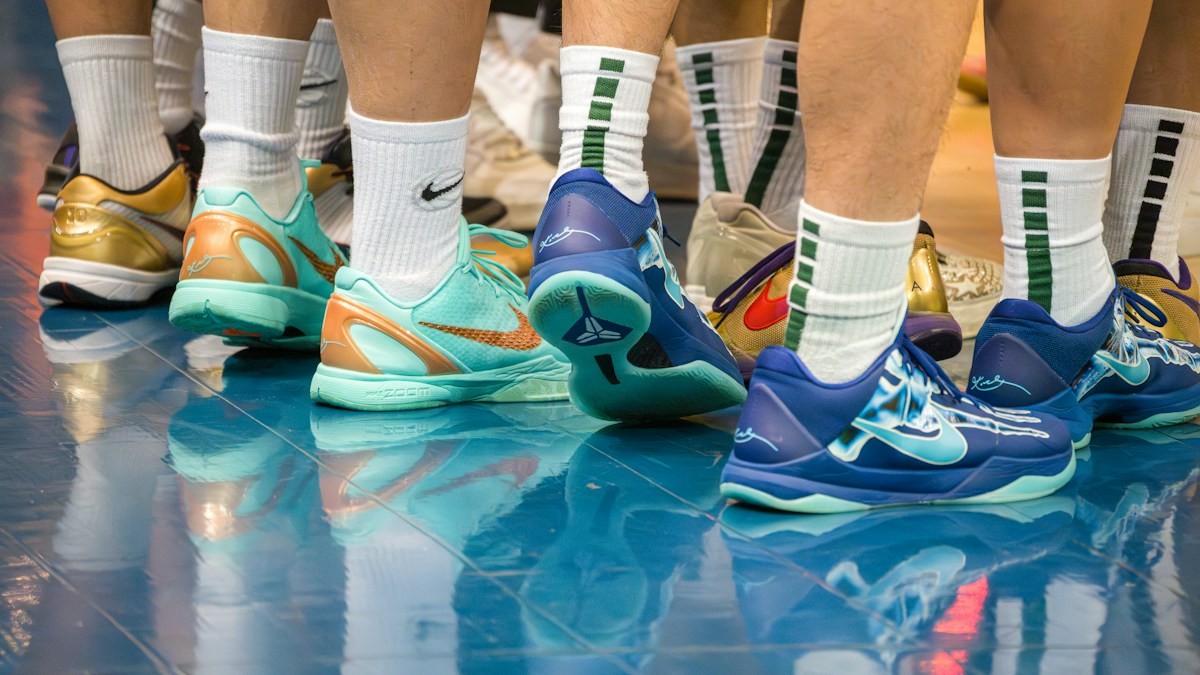
Training Adaptation Protocol: How to Transition Safely
A structured schedule for introducing carbon plated footwear into your training macrocycle.
The Rule of Specific Adaptation: Save Them for Key Workouts
Do not run every daily easy mile in carbon super shoes. Running exclusively in super shoes weakens the intrinsic foot musculature, as the rigid plate does not permit the natural arch of the foot to engage and stabilize itself.
Reserve super shoes for critical race-pace workouts: your final 18-to-20 mile long run with marathon-pace blocks, and bi-weekly threshold tempo sessions. This provides the neuromuscular system with race-specific motor tuning while keeping daily training in standard daily trainers.
Ancillary Calf and Foot Strengthening Drills
To build resilience against high-stack rotational forces, incorporate dedicated lower-leg strength work twice weekly. Execute heavy eccentric heel drops on a stair ledge (3 sets of 15 repetitions with straight and bent knees to target both gastrocnemius and soleus).
Supplement with barefoot balance drills and towel scrunches to strengthen the abductor hallucis and foot arches, building a stable anatomical base that thrives atop high-cushion racing platforms.
Durability, Lifespan, and Race-Day Shoe Selection
Maximizing the cost-to-performance ratio of premium racing footwear.
The Lifespan of Supercritical PEBA Foams
Unlike traditional daily trainers that last 400 to 500 miles, the hyper-resilient microcellular structure of racing PEBA foam begins to lose optimal rebound characteristics after 150 to 200 miles of high-speed pounding.
Track your racing shoe mileage rigorously. Retire super shoes from competitive ‘A-race’ duty once they reach 150 miles, repurposing them for casual track workouts and tempo training sessions where absolute peak energy return is non-critical.
Matching Shoe Geometry to Your Strike Pattern
Not all super shoes fit every runner equally. Models with aggressive forefoot rocker geometry (such as the Nike Vaporfly or Saucony Endorphin Elite) heavily reward midfoot and forefoot strikers.
Conversely, runners who land with a heavy heel strike often benefit from models featuring wider heel platforms and dual-density rearfoot stabilization (such as the Asics Metaspeed Sky or Adidas Adios Pro), which prevent excessive medial pronation collapse.
Ethical and Regulatory Guidelines in Modern Athletics
Understanding World Athletics stack height regulations and fair-play standards.
World Athletics 40mm Stack Height Limit
To prevent an unchecked arms race of cartoonish footwear, World Athletics established strict regulations governing road racing shoes: maximum midsole stack height cannot exceed 40mm, and shoes may contain no more than one rigid plate.
Any shoe exceeding 40mm (such as certain high-stack training models like the Adidas Prime X) is legally classified as an illegal prototype, disqualifying runners from official Boston Marathon qualifying times or Olympic trials standards.
The Democratization of Speed for Masters Runners
While elite runners gain fractions of a percent, research shows masters runners (over age 40) often experience the greatest relative benefit from super shoes. The exceptional shock absorption shields aging joints and connective tissues, allowing older athletes to train at higher weekly volumes with drastically reduced soreness.
Carbon Super Shoes vs Traditional Racing Flats Technical Comparison
| Feature / Metric | Carbon Super Shoe | Traditional Racing Flat | Daily Trainer | Performance Impact |
|---|---|---|---|---|
| Midsole Stack Height | 36 – 40 mm | 14 – 20 mm | 28 – 34 mm | Shock damping & stride lever |
| Midsole Foam Chemistry | Supercritical PEBA / Pebax | Standard Molded EVA | EVA / TPU Blend | +20% higher energy return |
| Longitudinal Stiffness | Extremely Rigid (Carbon) | Flexible / Natural | Moderate Flex | Reduced MTP joint energy loss |
| Running Economy Gain | 3.5% to 5.0% boost | Baseline (0%) | -1.5% (Weight drag) | 3-5 min faster marathon time |
| Optimal Lifespan | 150 – 200 miles | 250 – 350 miles | 400 – 500 miles | Fast foam degradation |
Recommended Further Reading & Authoritative References
To deepen your practical mastery of these concepts, explore our comprehensive analyses on how to choose the right running shoes and running cadence biomechanics guide. For official technical standards, peer-reviewed benchmarks, and industry guidelines, consult the Running Shoe Technology on Wikipedia.
Frequently Asked Questions
Do carbon-plated super shoes really make you 4% faster?
They improve running economy by an average of 4%, which translates to running approximately 2% to 3% faster at the same metabolic oxygen consumption rate.
Can carbon-plated shoes cause injuries?
Yes. The high stack height increases ankle instability, and the rigid plate alters Achilles tendon load. Transitioning too quickly can trigger Achilles tendonitis or calf strains.
Should beginners train in carbon super shoes?
Beginners should build fundamental tendon strength and running mechanics in standard daily trainers before investing in carbon super shoes for goal races.
How many miles do carbon-plated racing shoes last?
Peak race-day responsiveness typically lasts 150 to 200 miles. Beyond that mileage, the PEBA foam begins to compress, though they remain usable for practice sessions.