




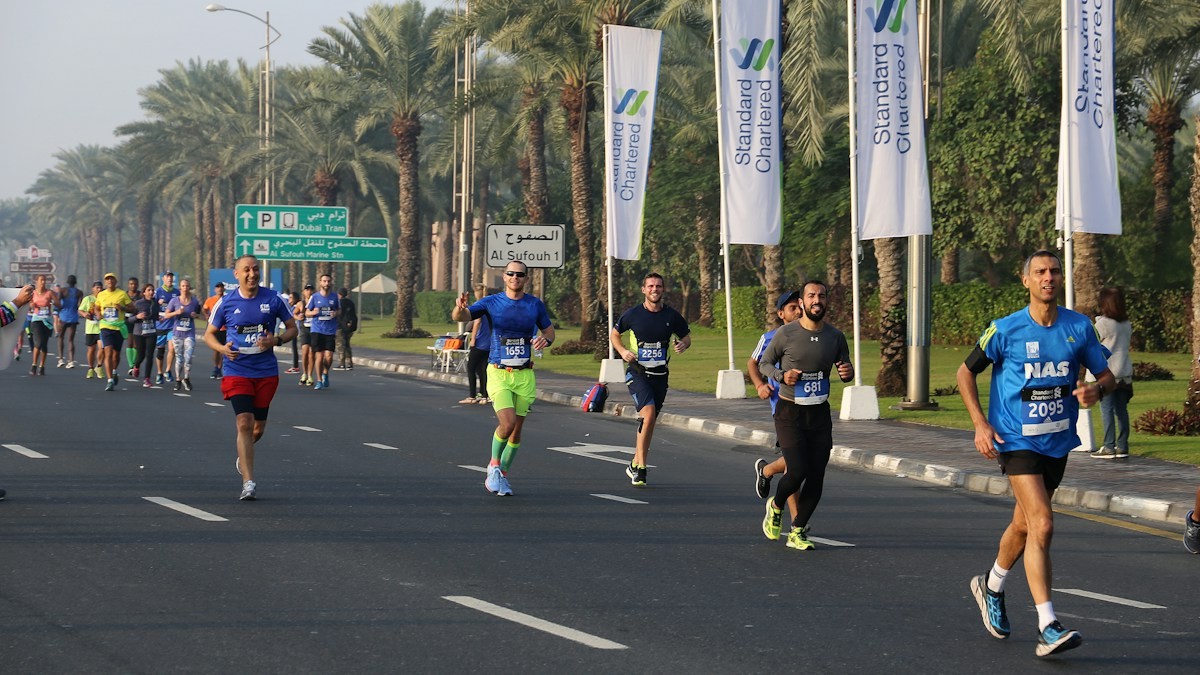
For distance runners tackling weekly long runs, half marathons, or 26.2-mile marathons, training is only half the battle. You can log dozens of rigorous training miles every week, but if your nutritional strategy is haphazard, you will inevitably hit the dreaded ‘wall’—that agonizing physiological state where muscle glycogen is completely depleted, legs feel like wet cement, and pace decelerates drastically.
Distance running imposes extreme metabolic demands on the human body. During a 90-minute training run, an average runner burns between 1,000 and 1,400 calories, primarily consuming stored carbohydrate reserves. Perfecting your nutritional timing before you lace up, while you are moving, and immediately after crossing your front doorstep is the single most effective way to eliminate gastrointestinal distress, accelerate recovery, and unlock faster race times.
In this comprehensive sports nutrition blueprint, we examine the precise science of pre-run, mid-run, and post-run fueling. Backed by collegiate exercise physiology benchmarks, this guide provides exact carbohydrate-to-protein ratios, hydration timings, and real-food alternatives to help you fuel every training cycle with absolute confidence.
Pre-Run Nutrition: Topping Off Hepatic and Muscular Glycogen
The human body stores roughly 400 to 500 grams of glycogen in skeletal muscle and 80 to 100 grams in the liver. Your pre-run fueling strategy must maximize these finite reserves without causing gastrointestinal cramps.
The 3-to-4 Hour Primary Pre-Run Meal
On long run mornings, wake up early enough to consume a substantial carbohydrate-dense meal 3 to 4 hours before departure. Target 2.5 to 3.5 grams of carbohydrate per kilogram of body mass (roughly 175 to 245 grams for a 70kg runner).
Focus on easily digestible, low-fiber, low-fat complex carbohydrates: rolled oats cooked in water with sliced ripe bananas, maple syrup, and a small pinch of sea salt. Keep dietary fat and insoluble fiber to an absolute minimum, as fat and roughage delay gastric emptying and lead to mid-stride bowel cramping.
The 45-Minute Pre-Ignition Top-Off
Roughly 30 to 45 minutes before starting, top off circulating blood glucose with 25 to 30 grams of fast-acting simple carbohydrates. A single slice of white sourdough bread with honey, a small banana, or 8 ounces of an isotonic electrolyte sports beverage provides an immediate metabolic boost without triggering reactive hypoglycemia.
Mid-Run Fueling Protocols: Sustaining Pace Beyond 60 Minutes
For runs lasting less than 60 minutes, plain water is physiologically sufficient. For endurance runs extending past 75 to 90 minutes, external carbohydrate ingestion is mandatory to spare glycogen reserves.
The 30-to-60 Gram Carbohydrate per Hour Rule
Endurance physiology dictates taking on 30 to 60 grams of carbohydrates per hour of continuous running, beginning at the 45-minute mark. For marathoners running over three hours, training the gut to absorb up to 75 to 90 grams per hour utilizing dual-source carbohydrate blends (a 2:1 ratio of maltodextrin to fructose) yields superior absorption rates.
Never wait until you feel fatigued to consume your first energy gel. Consume half a gel pack or a small chew every 20 to 25 minutes, washing it down with 3 to 4 mouthfuls of plain water to ensure proper gastric absorption.
Managing Gastrointestinal Distress and ‘Runner’s Stomach’
Gastrointestinal distress accounts for more marathon DNF (‘Did Not Finish’) results than muscular cramps. Taking concentrated gels without sufficient water creates a hypertonic solution in the gut, pulling water out of the bloodstream and triggering bloating and nausea.
Always take energy gels with 100 to 150ml of plain water—never wash a sugar gel down with a concentrated sugary sports drink.
Post-Run Glycogen Resynthesis and Muscle Protein Synthesis
The metabolic window immediately following a grueling long run represents your body’s peak window for cellular repair and glycogen restoration.
The Critical 30-Minute Anabolic Window: 4:1 Ratio
Within 30 minutes of halting your GPS watch, consume a recovery snack formulated with a 3:1 or 4:1 carbohydrate-to-protein ratio (target roughly 1.0 to 1.2g carbs/kg and 0.25 to 0.3g protein/kg).
The carbohydrate stimulates insulin secretion, which acts as a cellular key to transport glucose into depleted muscle cells, while the amino acids from protein initiate myofibrillar repair. Low-fat chocolate milk, a whey protein smoothie blended with bananas and berries, or Greek yogurt with honey are ideal whole-food solutions.
The 2-Hour Complete Recovery Meal
Follow your initial liquid recovery snack with a wholesome, micronutrient-dense meal within 2 hours. Combine complex starches (sweet potatoes, brown rice, or sourdough) with lean protein (wild salmon, grilled chicken breast, or tofu) and anti-inflammatory greens to combat exercise-induced oxidative stress.
Distance Running Nutrition & Fueling Timeline
| Run Timing Window | Target Nutrient Ratio | Recommended Whole Foods | Digestive Transit Time | Primary Physiological Objective |
|---|---|---|---|---|
| 3-4 Hours Pre-Run | 3-4g Carbs / kg Bodyweight | Oatmeal with sliced banana & honey | Slow digestion | Topping off liver and muscle glycogen stores |
| 60 Mins Pre-Run | 1g Fast Carb / kg Bodyweight | White toast with strawberry jam | Rapid gastric emptying | Blood glucose spike without fiber distress |
| During Run (>60 min) | 30-60g Carbs / hour | Isotonic energy gels, chews, dates | Immediate absorption | Spares muscle glycogen; prevents central fatigue |
| 0-30 Mins Post-Run | 4:1 Carb-to-Protein Ratio | Chocolate milk, banana whey shake | Anabolic window | Rapid glycogen replenishment & myofibrillar repair |
| 2 Hours Post-Run | Balanced Macronutrient Meal | Grilled salmon, sweet potato, quinoa | Sustained release | Long-term cellular repair & inflammation control |
Recommended Further Reading & Authoritative References
To deepen your understanding of these systems, review our companion analysis on Post-Run Glycogen Replenishment and Electrolyte Balance and Cramp Prevention. For official technical specifications and industry standards, consult the American College of Sports Medicine Nutrition Guidelines.
Biomechanical Longevity & Training Progression Safeguards
To maximize your long-term success with Pre-Run and Post-Run Fueling, runners must respect physiological adaptation cycles and avoid premature volume escalation. Neuromuscular adaptations occur within two to three weeks, but connective tissues, ligaments, and bone mineral density adapt substantially slower over six to eight weeks of consistent stress.
Integrate dedicated mobility sequences focusing on the posterior kinetic chain, ankle dorsiflexion, and hip stabilization before each demanding training effort. Monitoring subjective recovery indicators such as resting heart rate, morning sleep quality, and muscle tightness provides early warning signs of overtraining syndrome.
Always pair focused physical training with proper sleep architecture and nutrient timing. Giving your body sufficient structural repair intervals ensures steady athletic progression while keeping chronic overuse injuries permanently at bay.
Frequently Asked Questions
Can I run early in the morning in a completely fasted state?
Fasted running is acceptable for short, easy Zone 2 runs under 45 to 60 minutes. However, for tempo workouts, interval sessions, or long runs over 75 minutes, fasted training increases cortisol levels, accelerates muscle catabolism, and compromises workout quality.
What whole foods can substitute for commercial sports energy gels?
Pitted Medjool dates, pure maple syrup pouches, boiled baby red potatoes salted with sea salt, and homemade puréed banana packets provide identical carbohydrate densities to commercial gels at a fraction of the cost.
Why do commercial energy gels use a combination of maltodextrin and fructose?
Glucose and maltodextrin utilize the SGLT1 intestinal transporter, which caps out at 60 grams per hour. Fructose utilizes the separate GLUT5 transporter, allowing the gut to absorb an additional 30 grams per hour for a combined 90 grams without gastric distress.
How much water should I drink along with an energy gel?
Always drink approximately 4 to 6 ounces (120 to 180 ml) of pure water with each standard 100-calorie gel to dilute the osmolarity in your stomach for rapid, cramp-free absorption.