




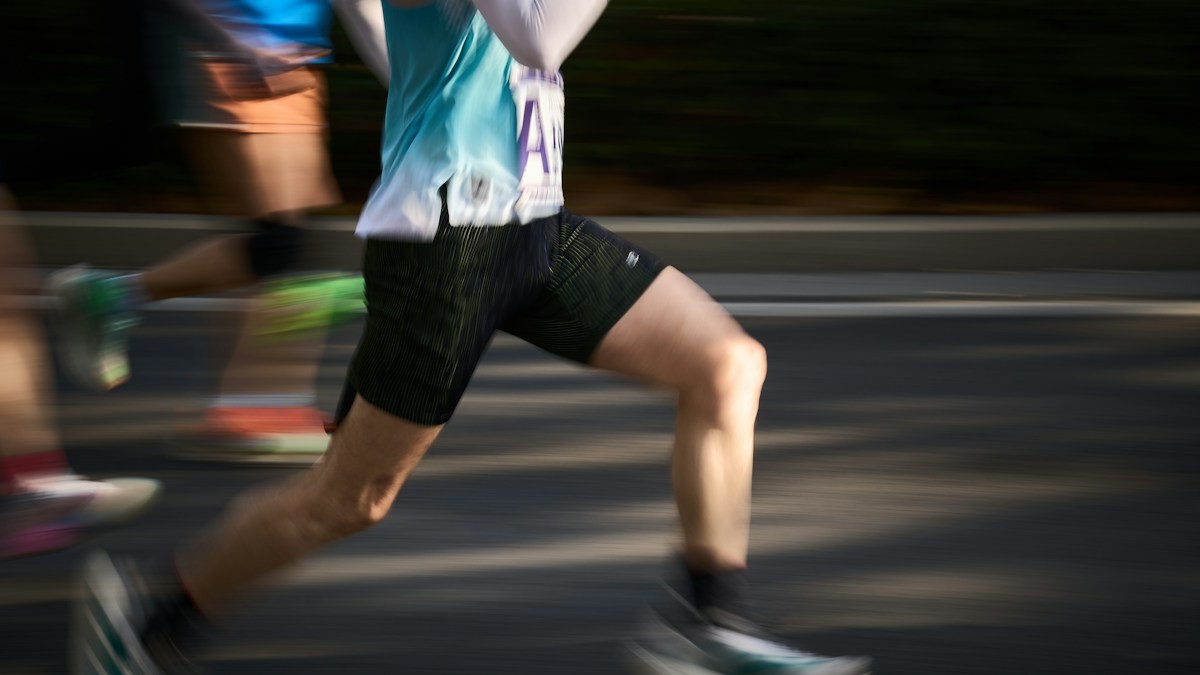
For marathoners and endurance athletes, the gut is often the true limiter of performance, not the lungs or the legs. Surveys across major world marathons reveal that between 30% and 50% of distance runners suffer from mid-run gastrointestinal distress—ranging from mild nausea and severe abdominal cramping to urgent, race-derailing diarrhea. When physical exertion diverts blood away from the splanchnic circulation, the digestive system becomes acutely vulnerable to metabolic shutdown.
Yet, endurance runners require substantial exogenous carbohydrate intake—typically between 60 and 90 grams per hour—to sustain target paces over 26.2 miles without depleting liver and muscle glycogen. When runners ingest concentrated energy gels or hypertonic sports beverages without proper digestive conditioning, unabsorbed sugars pool inside the intestinal lumen, drawing water from the bloodstream and triggering severe gastric sloshing and distress.
This comprehensive sports nutrition manual explores the physiological mechanisms and practical solutions for eliminating gastrointestinal distress runners experience. You will master the biochemistry of dual-transporter carbohydrate absorption, understand beverage osmolality, implement a 6-week gut-training protocol, and build ironclad digestive resilience for race day.
The Physiology of Splanchnic Hypoperfusion During High-Intensity Running
Why running hard diverts up to 80% of intestinal blood flow and compromises digestive integrity.
Splanchnic Blood Shunting and Intestinal Ischemia
During vigorous distance running, the sympathetic nervous system initiates massive vasoconstriction across the splanchnic vascular bed to redirect oxygenated blood toward active working leg muscles and the cutaneous skin for thermoregulatory cooling. Intestinal blood flow can plummet by up to 80% compared to resting baseline levels.
This acute localized ischemia impairs epithelial enterocyte function, compromises tight junction integrity, and drastically reduces the rate at which nutrients can be transported across the intestinal wall into circulation. Under ischemic stress, poorly formulated fuel sits stagnant in the stomach, fermenting and triggering nausea.
Mechanical Pounding and Organ Oscillation
Unlike cycling where the torso remains relatively stationary, distance running involves continuous, violent vertical impact. Each foot strike sends shockwaves through the visceral organs, physically jostling the stomach and intestines.
This continuous mechanical jarring accelerates colonic transit, mechanically irritates the intestinal lining, and contributes significantly to the urgent lower-GI distress affectionately known as ‘runner’s trots’.
Carbohydrate Transporter Kinetics: SGLT1 and GLUT5 Synergy
How dual-source fuel formulations overcome intestinal absorption bottlenecks.
The SGLT1 Glucose Bottleneck at 60 Grams Per Hour
Glucose and maltodextrin enter the bloodstream from the intestinal lumen via the Sodium-Glucose Linked Transporter 1 (SGLT1). Landmark research by Dr. Asker Jeukendrup proved that SGLT1 transporters become completely saturated at approximately 60 grams of glucose per hour (1 gram per minute).
If a runner ingests 80 grams of pure glucose per hour, the excess 20 grams cannot be absorbed. It remains trapped in the intestinal tract, creating an osmotic gradient that pulls water from surrounding tissues into the bowel, resulting in explosive osmotic diarrhea.
Unlocking Additional Fuel via the GLUT5 Fructose Pathway
Fructose utilizes an independent, non-sodium-dependent intestinal transporter known as Glucose Transporter 5 (GLUT5). Because GLUT5 operates independently of SGLT1, feeding a multi-transportable carbohydrate blend (glucose and fructose in a 2:1 or 1:0.8 ratio) allows runners to absorb up to 90 to 100 grams of carbohydrates per hour without distress.
This 50% increase in exogenous carbohydrate delivery provides continuous circulating blood glucose, sparing internal glycogen stores and boosting late-race endurance capacity significantly.

Beverage Osmolality and Gastric Emptying Dynamics
Why fluid concentration dictates how rapidly hydration empties from the stomach.
Hypotonic vs Isotonic vs Hypertonic Solutions
Osmolality measures the concentration of dissolved solute particles per kilogram of solvent. Human blood plasma maintains a tightly regulated osmolality between 280 and 300 mOsm/kg. An isotonic sports drink matches this concentration, while hypotonic solutions (<260 mOsm/kg) are less concentrated and empty from the stomach rapidly.
Hypertonic solutions (>320 mOsm/kg)—such as fruit juices, undiluted sodas, or energy gels taken without water—are far more concentrated than blood plasma. The stomach cannot pass hypertonic fluids directly into the intestines; it must first draw water out of the bloodstream into the stomach to dilute the mixture, causing painful sloshing, bloating, and dehydration.
The Golden Rule: Never Take Gels Without Plain Water
One of the most catastrophic fueling mistakes is washing down a concentrated energy gel with a high-sugar sports drink. This creates an extremely hypertonic mass in the gut that halts gastric emptying completely.
Always consume energy gels alongside 150 to 200 milliliters of plain water from the aid station. The plain water dilutes the gel inside the stomach, transforming it into an isotonic solution that empties into the small intestine within 10 to 15 minutes.
The 6-Week Gut Training Protocol for Distance Runners
Progressively conditioning your digestive tract to tolerate high carbohydrate volumes under running stress.
The Biological Principle of Gastrointestinal Adaptability
Just as leg muscles adapt to mileage, the gastrointestinal tract is highly trainable. Research demonstrates that consuming carbohydrates during training runs significantly upregulates the density and activity of SGLT1 and GLUT5 transport proteins in the intestinal brush border membrane.
Furthermore, gut training trains the stomach to tolerate larger fluid volumes without triggering uncomfortable stretch receptor fullness signals, drastically improving comfort during race-day fueling.
The Progressive Fueling Ramp Schedule
Initiate gut training 8 to 10 weeks before your goal marathon. During Week 1, consume 30 grams of carbs per hour on your weekend long run. Progress to 45g/hr in Week 3, 60g/hr in Week 5, and reach your target 75-90g/hr by Week 8.
Always use the exact brand, flavor, and formulation of gels and electrolyte mixes that you intend to use on race day. Never introduce novel nutritional products during race week.
Pre-Race Nutritional Sanitization: The 48-Hour Low-FODMAP Protocol
Minimizing intestinal residue and gas production in the final days before competition.
Eliminating Fermentable Oligosaccharides and Fiber
During the final 48 hours before a marathon, shift away from high-fiber vegetables, whole grains, beans, and high-FODMAP foods (such as onions, garlic, apples, and artificial sweeteners).
High-fiber foods leave undigested bulk in the large intestine that gut bacteria ferment into gas, promoting cramping and urgency during the race. Focus on clean, low-residue carbohydrates: white rice, boiled white potatoes, plain white pasta, and ripe bananas.
Managing Pre-Race Coffee and Nervous Peristalsis
Caffeine is an exceptional ergogenic aid, but it also stimulates colonic peristalsis and gastrin secretion. Consume your morning coffee at least 90 minutes before race start, ensuring sufficient time to complete bowel movements before entering the starting corrals.
If you are highly prone to nervous lower-GI distress, consult your sports physician regarding pre-race anti-diarrheal strategies.
Running Carbohydrate Formulations and Transporter Kinetics
| Carbohydrate Source | Primary Transporter | Max Absorption Rate | Osmolality Impact | GI Distress Risk |
|---|---|---|---|---|
| Pure Glucose / Dextrose | SGLT1 Only | 60g per hour | Moderate | High if >60g/hr |
| Pure Fructose | GLUT5 Only | 30g per hour | High (Slow gastric empty) | Very High if solo |
| Maltodextrin + Fructose (2:1) | SGLT1 + GLUT5 | 90g per hour | Optimal (Low osmolality) | Very Low |
| Hydrogel Alginate Blends | Protected Delivery | 90 – 100g per hour | Isotonic encapsulation | Lowest GI distress |
Recommended Further Reading & Authoritative References
To deepen your practical mastery of these concepts, explore our comprehensive analyses on electrolyte balance and cramp prevention and pre-run and post-run nutrition guidelines. For official technical standards, peer-reviewed benchmarks, and industry guidelines, consult the Gastrointestinal Physiology on Wikipedia.
Frequently Asked Questions
Why do distance runners get gastrointestinal distress during races?
High-intensity running shunts up to 80% of blood flow away from the gut to active leg muscles, causing localized ischemia, impaired nutrient absorption, and cramping.
What is the 2:1 carbohydrate ratio for running fuel?
It is a blend of 2 parts glucose (or maltodextrin) to 1 part fructose, utilizing two separate intestinal pathways to absorb up to 90g of carbohydrates per hour without distress.
Can you train your gut to tolerate more running gels?
Yes. Progressively increasing carbohydrate intake during weekly long runs over 6 to 8 weeks upregulates intestinal transporter proteins, improving gastric emptying and comfort.
What should I eat 48 hours before a marathon to prevent stomach issues?
Switch to a low-fiber, low-FODMAP diet: white rice, boiled potatoes, plain pasta, and ripe bananas, completely avoiding high-fiber beans, raw broccoli, and artificial sweeteners.